
Across the Hunter Valley, summer is often when underlying electrical issues begin to surface. Higher temperatures, extended use of cooling systems, and increased overall power demand can place extra strain on electrical infrastructure, revealing problems that may not have been obvious during cooler months.
Understanding why these issues occur can help property owners recognise early warning signs and take steps to reduce disruptions during periods of high demand.
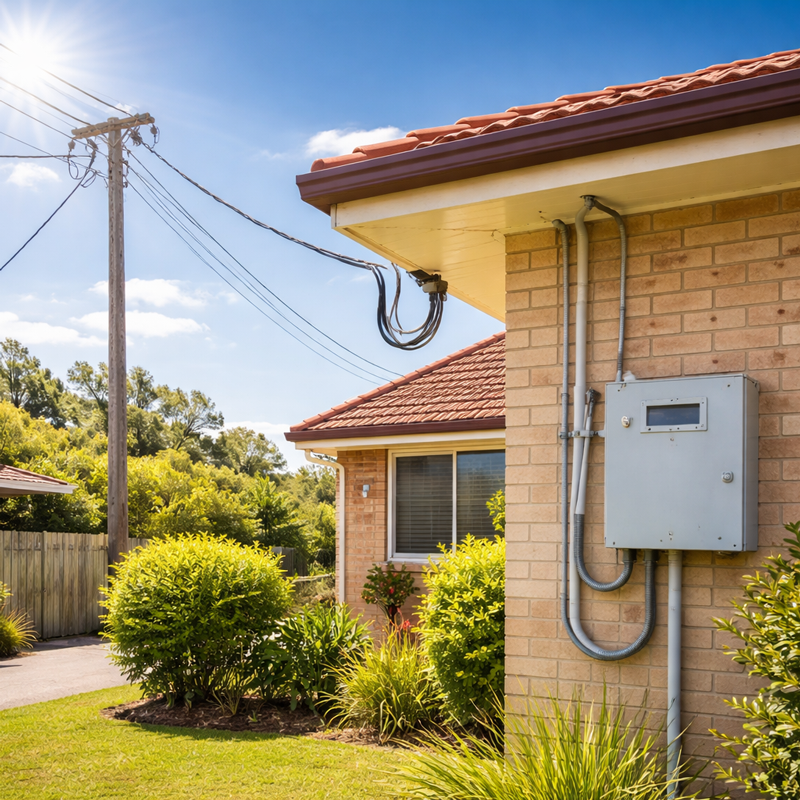
Summer doesn’t usually cause electrical faults on its own. Instead, it places electrical systems under heavier and more sustained load.
As temperatures rise, components such as cabling, connections, switchboards, and supply equipment operate closer to their limits. Any ageing infrastructure, loose connections, or capacity constraints are more likely to become noticeable when systems are pushed harder for longer periods.
This is why power issues can appear suddenly during summer, even if everything seemed to be operating normally beforehand.
These are some of the most common power supply issues that tend to show up during periods of sustained heat and high demand.
Flickering lights, intermittent power, or equipment restarting unexpectedly can be early indicators of electrical strain. These issues are often linked to increased load, deteriorating connections, or supply-related irregularities.
While they may occur occasionally at first, they often become more frequent during prolonged hot weather.
Air conditioning and other cooling systems draw significant power, particularly when running continuously during hot conditions.
If cooling equipment causes circuits to trip, machinery to shut down, or sections of a property to lose power, it may indicate:
High ambient temperatures can affect electrical equipment located in roof spaces, meter enclosures, switch rooms, and outdoor boards.
Heat increases electrical resistance, accelerates wear on connections, and can reduce the reliability of protective devices, making existing issues more likely to present during summer.
Many older residential, commercial, and industrial properties operate with electrical systems designed for much lower usage levels than those required today.
Modern power demands, including cooling, technology, and equipment, can place significant strain on older wiring, switchboards, and supply arrangements during warmer months.
During heatwaves, electricity demand places additional pressure on electrical systems across entire regions. This can expose weaknesses in supply connections, meters, or service mains.
While some issues may be related to broader network connections, others are specific to individual properties and require assessment by a licensed Level 2 electrician.
Resetting breakers, reducing usage, or working around electrical issues may provide short-term relief, but these actions don’t address the underlying cause.
In summer conditions, ongoing heat and demand can cause minor faults to escalate more quickly, increasing the likelihood of unplanned outages or extended downtime.
Professional advice is work considering if you notice:
Electrical safety guidance recommends addressing recurring or unexplained electrical issues early, which can help identify whether maintenance, repairs, or upgrades are required before they escalate.
Electrical systems work hardest during warmer months. Identifying and addressing issues early can improve reliability, protect equipment, and reduce the risk of unexpected inturruptions.
Powellect provides professional electrical s across Newcastle, Port Stephens and the Hunter. If summer power issues arise and you’re unsure how to respond, out team can help guide you on the next step.